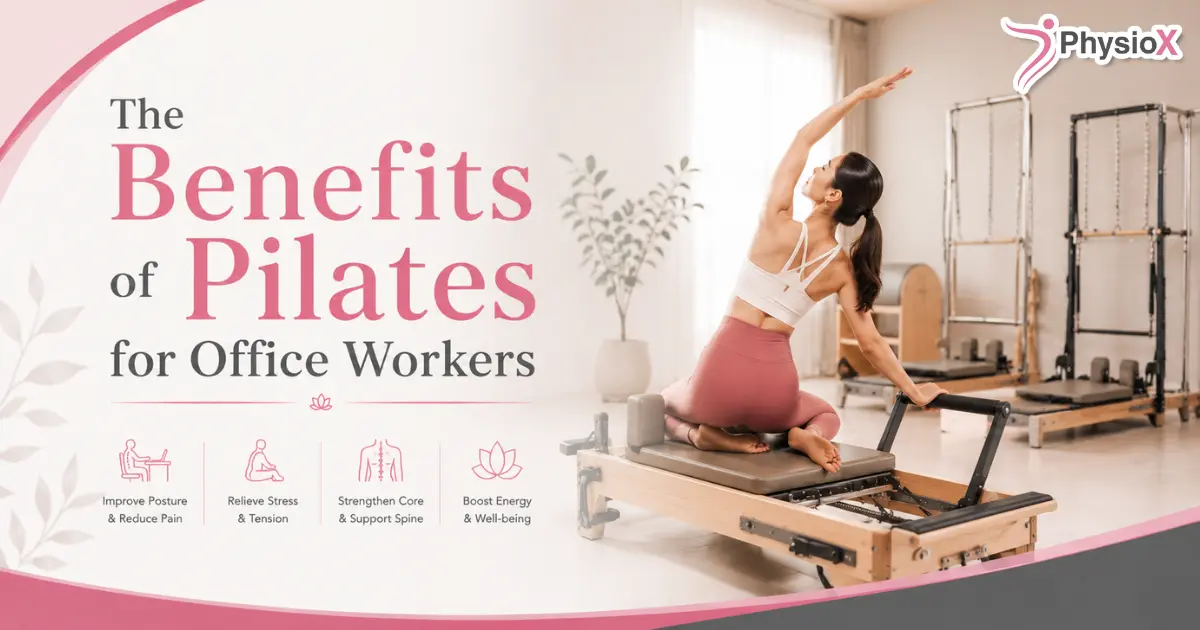
Pilates benefits include improved core strength, better posture, greater flexibility, enhanced mobility, and more efficient movement for everyday life. By focusing on controlled movement, proper alignment, and body awareness, Pilates helps reduce physical strain, supports long-term musculoskeletal health, and is suitable for people of all fitness levels, including those with sedentary lifestyles.
Long hours at a desk can lead to neck pain, back stiffness, poor posture, and reduced mobility. While these issues are common, they don't have to become part of everyday life. In this guide, we'll explore the benefits of Pilates, why it's especially effective as Pilates for office workers, and how it can help relieve the physical strain of prolonged sitting while supporting long-term health and wellbeing.
Why Desk Work Causes Pain and Stiffness
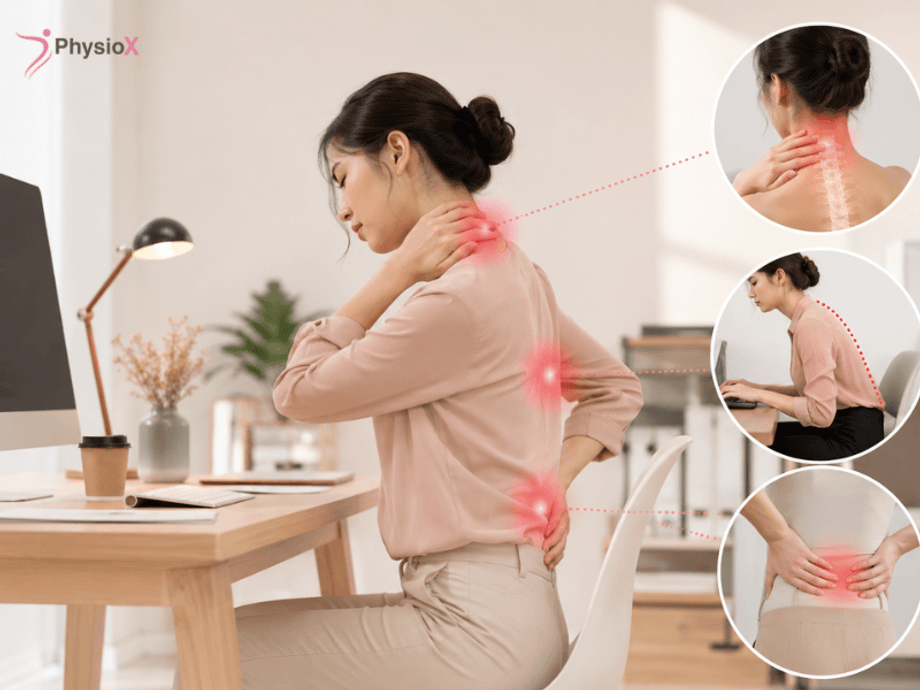
For many office workers, aches and pains don't appear overnight. They develop gradually after weeks, months, or even years of sitting for long periods with limited movement. Neck stiffness after a morning of meetings, tight shoulders by the end of the day, or lower back pain during the commute home are all common signs that your body isn't moving as much as it should.
The good news is that many of these problems are related to how we work rather than permanent damage. Understanding why they happen is the first step towards experiencing the long-term pilates benefits that can improve posture, mobility, and overall movement quality.
Sitting for Long Periods Changes the Way Your Body Moves
Contrary to popular belief, sitting itself isn't necessarily harmful—it's staying in the same position for hours that creates problems.
When you spend most of your day at a desk, certain muscles remain in a shortened position while others become weak from lack of use. Hip flexors and chest muscles often become tight, while the deep core muscles, glutes, and upper back muscles may gradually lose strength. This imbalance can affect the way your spine and joints move, making everyday activities feel less comfortable over time.
Without regular movement, joints also receive less stimulation, which may contribute to stiffness and reduced mobility. Even standing up after a long meeting can feel uncomfortable because your body has adapted to remaining still for extended periods.
Poor Posture Places Extra Stress on the Body
Many office workers unintentionally adopt a forward head posture, rounded shoulders, or a slouched sitting position while using a computer. These postural changes increase the workload on muscles that support the neck, shoulders, and lower back.
As these muscles become overworked, they often feel tight or fatigued. At the same time, muscles responsible for maintaining good posture may become less active, making it increasingly difficult to sit or stand comfortably throughout the day.
This is one reason why stretching alone often provides only temporary relief. If the muscles that support your posture remain weak, the same movement patterns are likely to return.
Common Symptoms of Office Syndrome
People who spend most of the day at a desk frequently experience symptoms such as:
Neck pain and stiffness
Shoulder tension
Lower back discomfort
Tight hips and hamstrings
Rounded shoulders
Reduced spinal mobility
General fatigue after sitting for long periods
These symptoms are commonly grouped under the term "office syndrome." While they are often associated with desk work, they are usually influenced by a combination of prolonged sitting, repetitive movements, poor posture, and insufficient physical activity.
How Pilates Can Help
Understanding what causes these problems also explains why so many people experience significant benefits of Pilates.
Pilates focuses on strengthening the deep core muscles that support the spine, improving posture, increasing mobility, and restoring balanced movement throughout the body. Rather than simply stretching tight muscles, Pilates addresses the movement patterns that often contribute to discomfort in the first place.
This makes Pilates for office workers particularly valuable. Through controlled, low-impact exercises, office workers can improve body awareness, activate underused muscles, and reduce unnecessary tension caused by prolonged sitting. Over time, these improvements can make everyday tasks—from working at a desk to lifting, walking, or exercising—feel more comfortable and efficient.
While regular movement breaks and an ergonomic workstation are helpful, combining these habits with Pilates provides a more comprehensive approach to reducing stiffness and supporting long-term spinal health. By improving how your body moves rather than simply treating symptoms, Pilates offers lasting benefits for people who spend much of their day sitting.
The Key Benefits of Pilates for Office Workers
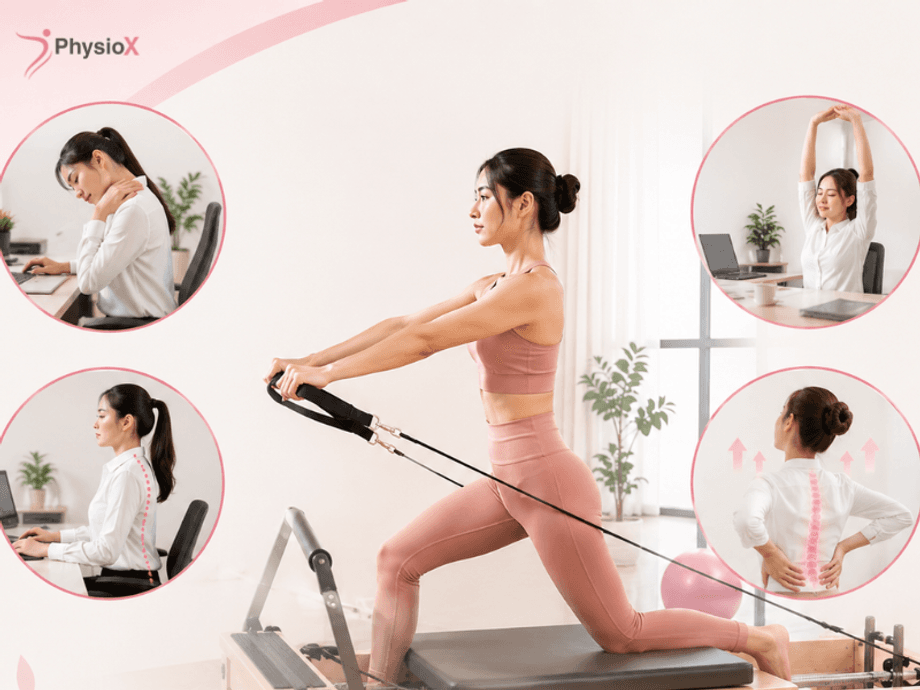
If you spend most of your day sitting at a desk, it's easy to think that occasional stretching or a weekend workout is enough to offset the effects of prolonged sitting. While these habits are helpful, they don't always address the underlying muscle imbalances and movement patterns that contribute to discomfort. This is where the pilates benefits become especially valuable.
Unlike many forms of exercise that focus primarily on burning calories or building large muscles, Pilates improves the quality of the way your body moves. By strengthening the deep stabilising muscles, improving posture, and increasing body awareness, Pilates helps office workers feel more comfortable both at work and in everyday life.
Improves Posture
Poor posture is one of the most common issues among office workers. Hours spent looking at a computer screen or laptop can gradually lead to a forward head position, rounded shoulders, and a slouched back. Over time, these habits place additional stress on the neck, shoulders, and lower back.
One of the most recognised benefits of Pilates is its ability to improve posture through better alignment and movement awareness. Pilates strengthens the muscles that support the spine while encouraging proper positioning of the shoulders, pelvis, and rib cage.
Rather than reminding yourself to "sit up straight," Pilates helps your body naturally maintain better posture by improving the strength and coordination of the muscles responsible for supporting it.
Builds Core Strength for Better Spinal Support
The core is much more than your abdominal muscles. It includes the deep muscles surrounding the spine, pelvis, hips, and trunk that provide stability during movement.
Long periods of sitting often reduce the activation of these muscles, leaving other parts of the body to compensate. This can contribute to lower back discomfort, poor balance, and inefficient movement patterns.
Pilates places a strong emphasis on developing core stability through slow, controlled exercises. A stronger core provides better support for the spine during everyday activities, from sitting at your desk and carrying shopping bags to exercising and playing sports.
For many Pilates for office workers programmes, improving core strength is one of the first priorities because it creates the foundation for healthier movement throughout the body.
Reduces Neck, Shoulder, and Back Tension
Muscle tension is one of the most common complaints among office workers. Remaining in the same position for hours can cause certain muscles to become overworked while others remain inactive.
Pilates encourages balanced muscle activation rather than allowing one group of muscles to do all the work. As posture improves and movement becomes more efficient, unnecessary tension in the neck, shoulders, and lower back can gradually decrease.
Many people also become more aware of how they sit, stand, and move throughout the day. This increased body awareness helps prevent the repetitive habits that often contribute to stiffness and discomfort.
Increases Mobility and Flexibility
Healthy movement requires both strength and mobility. Tight hips, stiff shoulders, and reduced spinal movement are common consequences of prolonged sitting.
Pilates combines strengthening exercises with controlled mobility work to help restore movement throughout the body. Instead of focusing on flexibility alone, Pilates develops strength through a full range of motion, allowing joints and muscles to move more comfortably and efficiently.
Improved mobility can make everyday tasks easier, whether you're reaching for something on a high shelf, getting out of your chair, or participating in recreational activities after work.
Improves Body Awareness
One of the less obvious but highly valuable pilates benefits is improved body awareness.
Many office workers don't notice poor posture or unnecessary muscle tension until discomfort develops. Pilates teaches you to recognise how your body moves, how you distribute your weight, and which muscles should be working during different activities.
This awareness often carries over into daily life. You may find yourself naturally adjusting your sitting posture, standing more evenly, or moving more efficiently without consciously thinking about it.
Small improvements like these can make a significant difference over months and years of desk-based work.
Supports Long-Term Health and Wellbeing
The benefits of Pilates extend beyond relieving everyday aches and pains. Regular practice can help improve balance, coordination, muscular endurance, and overall movement quality while supporting an active lifestyle.
For office workers, Pilates offers a practical and sustainable form of exercise because it is low impact and suitable for a wide range of ages and fitness levels. Sessions can be adapted for beginners, experienced exercisers, and individuals returning after injury.
At PhysioX, Pilates for office workers begins with an assessment by a licensed physiotherapist, allowing each programme to be tailored to your posture, movement patterns, and personal goals. This personalised approach helps you build strength safely while addressing the underlying causes of discomfort rather than simply managing the symptoms.
Whether your goal is to reduce neck pain, improve posture, increase mobility, or prevent future problems associated with prolonged sitting, Pilates provides a long-term investment in how your body moves. With consistent practice and expert guidance, you'll not only feel better at work but also move more confidently in every aspect of daily life.
Pilates Moves That Counter Office Syndrome
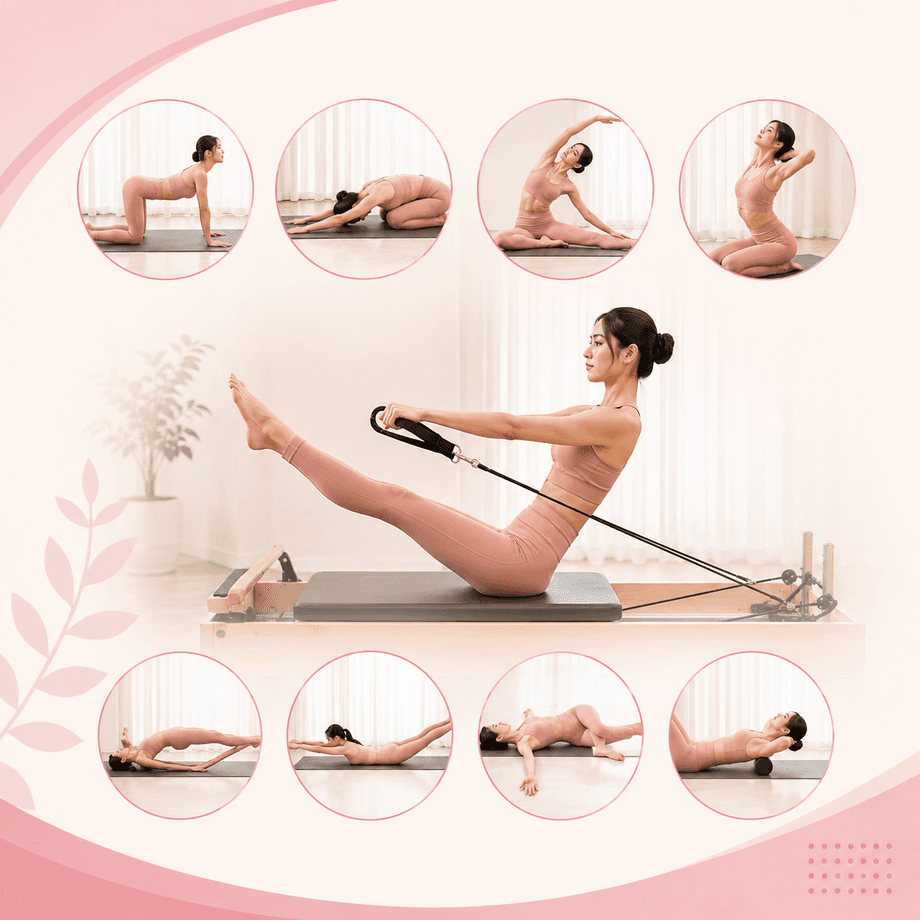
One of the greatest pilates benefits is that many exercises target the muscle imbalances commonly caused by prolonged sitting. Tight hips, rounded shoulders, a weak core, and reduced spinal mobility are all common features of office syndrome, and Pilates is designed to address these issues through controlled, low-impact movement.
While the exercises below are often included in Pilates for office workers, it's important to remember that everyone moves differently. If you have persistent pain, a previous injury, or a medical condition, consult a licensed physiotherapist before beginning a new exercise programme.
Pelvic Tilt
The Pelvic Tilt is one of the fundamental Pilates basics that helps improve awareness of spinal alignment and pelvic positioning.
This gentle movement activates the deep abdominal muscles while encouraging controlled movement of the lower back. It is particularly useful for people who experience stiffness after sitting for long periods, as it promotes mobility in the lumbar spine without placing excessive stress on the joints.
Cat-Cow Stretch
The Cat-Cow movement is widely used to improve spinal mobility and reduce stiffness throughout the back.
By slowly alternating between spinal flexion and extension, this exercise encourages movement through the entire spine while gently stretching the muscles surrounding the neck, shoulders, and lower back. It can be especially beneficial after spending several hours working at a computer.
Shoulder Bridge
The Shoulder Bridge strengthens muscles that often become inactive during prolonged sitting, including the glutes, hamstrings, and core.
Developing strength in these muscles helps improve pelvic stability and supports the lower back during everyday activities. For office workers, this exercise also helps counteract the effects of prolonged hip flexion caused by sitting throughout the day.
Chest Opening Exercises
Rounded shoulders are one of the most recognisable signs of poor desk posture. Chest opening exercises help stretch tight muscles across the front of the shoulders while encouraging activation of the upper back muscles responsible for maintaining good posture.
As these muscles become stronger and more balanced, many people notice improved shoulder positioning and reduced tension across the neck and upper back.
Spine Twist
Sitting in one position for extended periods often limits rotational movement through the spine.
The Spine Twist encourages gentle rotation while maintaining core stability, helping improve spinal mobility and flexibility. Controlled rotational movements also promote better coordination and body awareness, which are important components of healthy movement.
Shoulder Blade Retraction
Many office workers unknowingly allow their shoulders to round forward while typing or looking at a screen. Shoulder Blade Retraction focuses on strengthening the muscles between the shoulder blades, helping improve upper-body posture and reduce strain on the neck.
Although the movement is simple, it can become an effective part of a daily routine for people who spend long hours working at a desk.
Exercise Is Most Effective When It's Personalised
These exercises demonstrate just a few of the many benefits of Pilates for people experiencing office syndrome. However, it's important to remember that no single exercise is suitable for everyone. The right programme depends on your posture, mobility, strength, and the underlying cause of your discomfort.
At PhysioX, Pilates for office workers begins with a comprehensive assessment by a licensed physiotherapist. Rather than prescribing the same exercises to every client, we develop personalised Pilates programmes using Reformer and full Pilates apparatus to address your individual movement patterns and goals.
With the right guidance, Pilates becomes more than a series of exercises—it becomes a long-term strategy for improving posture, reducing stiffness, and helping you move comfortably both at work and in everyday life.
How Often to Practise for Results
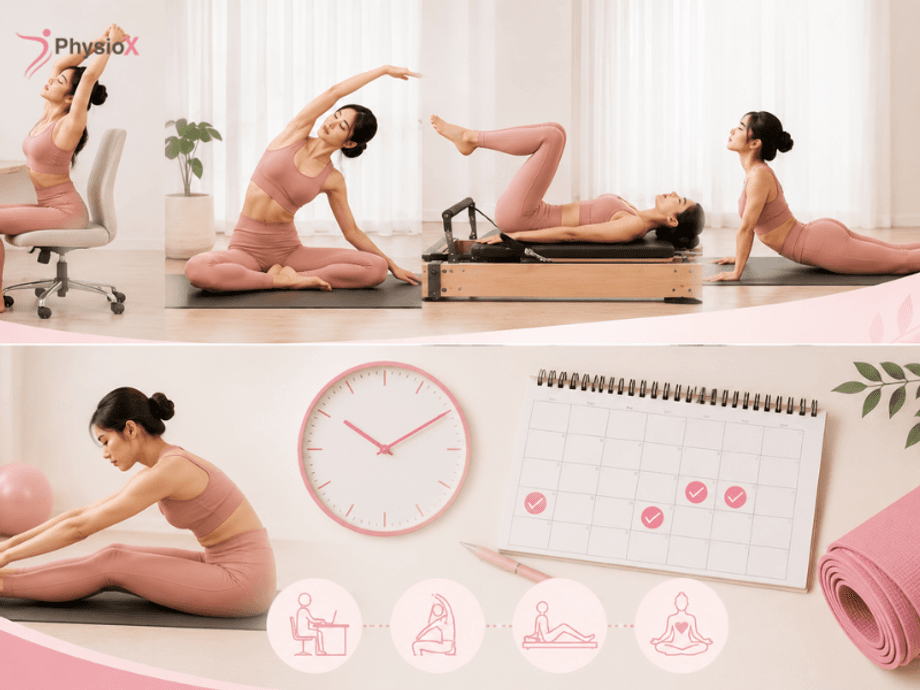
One of the most common questions people ask after learning about the pilates benefits is, "How often should I do Pilates to see results?" The answer depends on your goals, current fitness level, and whether you're exercising for general wellbeing, improving posture, or recovering from an injury.
The good news is that consistency is far more important than intensity. Even one or two sessions each week can make a noticeable difference when combined with regular movement throughout the day.
For Beginners
If you're new to Pilates, aim for one to two sessions per week. This gives your body time to learn the fundamentals, including breathing, core activation, and proper movement patterns, without feeling overwhelmed.
As your confidence and technique improve, you can gradually increase the frequency of your sessions. Starting slowly also helps reduce muscle soreness and lowers the risk of overtraining.
For Office Workers
For most Pilates for office workers, two to three sessions per week is a practical goal. Regular practice helps strengthen the core, improve posture, increase mobility, and reduce the muscle tension that develops from prolonged sitting.
Remember that Pilates works best alongside healthy daily habits. Standing up regularly, stretching between meetings, adjusting your workstation, and taking short walking breaks can all complement your Pilates routine and enhance the long-term benefits of Pilates.
Recovery Takes Time
Many people notice small improvements, such as feeling less stiff or more aware of their posture, after just a few sessions. More significant changes in strength, stability, and movement quality usually develop over several weeks of consistent practice.
Rather than expecting immediate results, focus on building a sustainable routine that fits your lifestyle. Regular practice allows your body to adapt gradually, making improvements more likely to last.
Listen to Your Body
More exercise isn't always better. If you experience unusual pain, excessive fatigue, or worsening symptoms, it may be a sign that your programme needs to be adjusted.
At PhysioX, every Pilates programme is supervised by a licensed physiotherapist and tailored to your individual goals and movement needs. Whether you're looking to improve posture, relieve office syndrome, or return to exercise after an injury, your physiotherapist will recommend an appropriate training frequency and progress your programme safely as your strength and confidence improve.
With patience, consistency, and expert guidance, Pilates can become an effective long-term investment in your health—helping you move better, feel stronger, and stay comfortable both in and out of the office.
When Pain Needs a Physiotherapist, Not Just Exercise
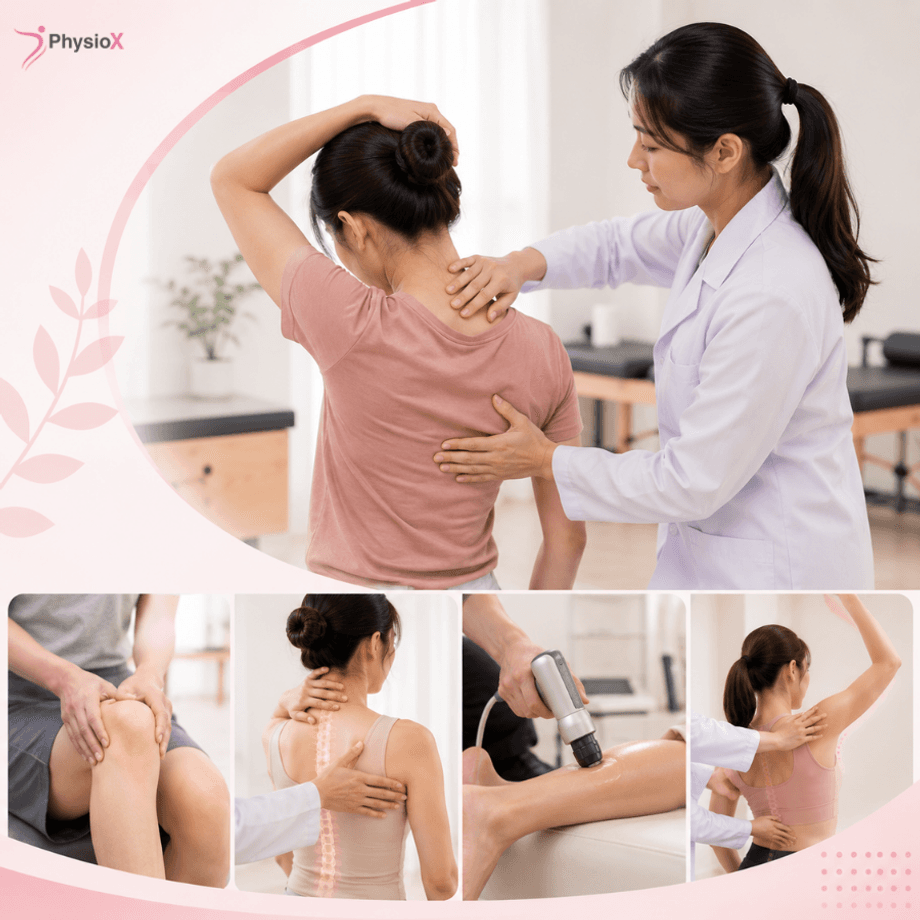
Regular exercise can do wonders for your health, and the pilates benefits for posture, core strength, and mobility are well established. However, not every ache or pain can be resolved by exercise alone. If discomfort is persistent, worsening, or affecting your daily life, it may be a sign that you need a professional assessment before starting or continuing an exercise programme.
Understanding when to seek help is just as important as choosing the right exercises.
Pain That Doesn't Go Away
It's normal to experience mild muscle soreness when beginning a new exercise routine, especially if you've been inactive for a while. However, pain that lasts for several weeks, continues to worsen, or repeatedly returns despite rest should not be ignored.
Persistent neck pain, shoulder tension, or lower back discomfort may indicate underlying movement dysfunctions, muscle imbalances, or joint problems that require a more individualised approach than general exercise classes can provide.
Pain That Travels or Causes Numbness
If your pain radiates into your arm or leg, is accompanied by numbness, tingling, weakness, or affects your balance, it's important to seek assessment from a qualified healthcare professional before continuing with exercise.
These symptoms may suggest that nerves or other structures are involved, and a personalised treatment plan may be needed before progressing with Pilates or other physical activities.
Previous Injuries or Medical Conditions
If you've experienced previous sports injuries, spinal problems, surgery, or chronic joint conditions, beginning Pilates under professional supervision is often the safest option.
While the benefits of Pilates are valuable for many people, exercises should always be selected according to your medical history, movement ability, and current symptoms. A programme that works well for one person may not be appropriate for another.
A licensed physiotherapist can assess how your previous injury affects your movement and modify exercises accordingly, allowing you to exercise safely while working towards your goals.
Why Physiotherapist-Led Pilates Makes a Difference
One of the advantages of Pilates for office workers is that it can be highly individualised when delivered by a licensed physiotherapist.
At PhysioX, every programme begins with a detailed assessment of your posture, movement patterns, strength, flexibility, and mobility. Rather than focusing only on the area that hurts, your physiotherapist looks at how your entire body moves to identify the underlying causes of discomfort.
Based on this assessment, a personalised Pilates programme is developed using Reformer and full Pilates apparatus to improve movement quality, restore balance, and gradually build strength. Exercises are progressed safely as your condition improves, helping you return to daily activities with greater confidence.
Treat the Cause, Not Just the Symptoms
Exercise is an important part of long-term health, but it is most effective when it addresses the root cause of pain rather than simply masking the symptoms. If your discomfort is preventing you from working comfortably, enjoying daily activities, or staying active, don't wait for it to become worse.
By combining clinical assessment with personalised Pilates, physiotherapist-led care provides a safer and more effective path to recovery. Instead of guessing which exercises might help, you'll receive expert guidance tailored to your body—allowing you to experience the full pilates benefits while improving your posture, reducing pain, and supporting your long-term health.
Conclusion
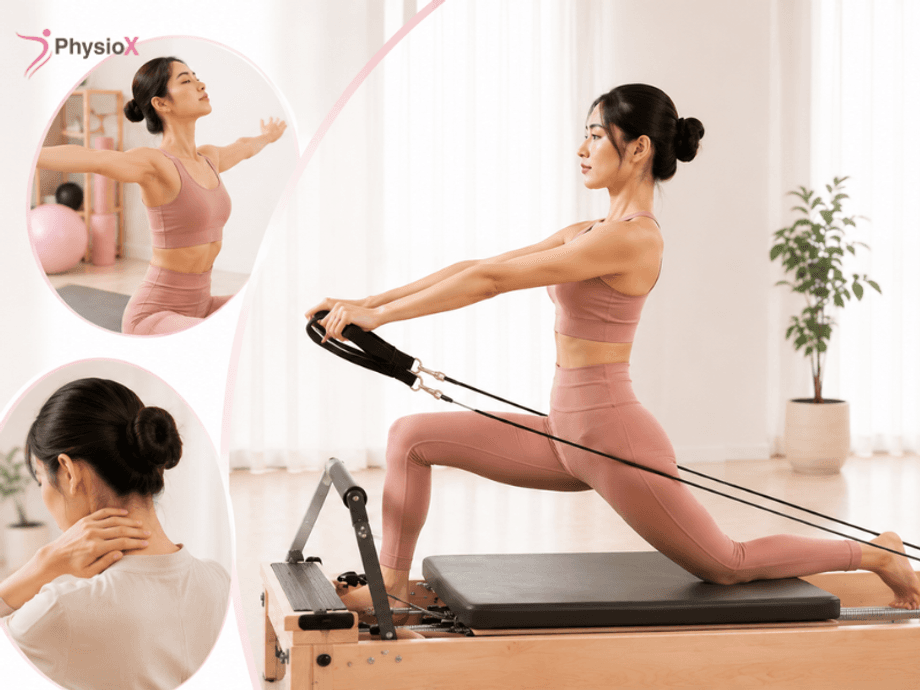
The pilates benefits extend far beyond improving fitness. For people who spend long hours at a desk, Pilates can help strengthen the core, improve posture, increase mobility, and reduce the muscle tension that often leads to office syndrome. With consistent practice, many office workers notice better movement, less stiffness, and greater comfort throughout the day.
The benefits of Pilates are even greater when your programme is tailored to your individual needs. Whether you're looking to prevent discomfort or manage existing aches and pains, Pilates for office workers offers a practical, low-impact approach to supporting long-term health and wellbeing.
Ready to Move Better at Work?
If you're experiencing neck pain, shoulder tension, back pain, or other symptoms of office syndrome, don't wait until they become more serious. At PhysioX, every programme begins with a comprehensive assessment by a licensed physiotherapist, allowing us to identify the underlying cause of your discomfort and create a personalised Pilates programme that fits your goals.
Book an Office Syndrome Assessment at PhysioX today.
To get started, connect with us on LINE (@physiopilatest), Facebook Messenger, or WhatsApp (+66 98 802 4861), or call us at +66 98 802 4861. Our team is here to help you move better, work more comfortably, and enjoy the long-term benefits of healthier movement.
Related Blog