
Conditions We Treat
Office Syndrome Treatment in Chiang Mai
Office syndrome can cause persistent neck, shoulder, and back pain from long hours at a desk or laptop. At PhysioX, licensed physiotherapists identify the root cause through a comprehensive assessment before creating a personalised treatment plan using manual therapy, trigger point release, and corrective exercise. Recover with evidence-based care that not only relieves pain but also helps prevent office syndrome from returning.
Office syndrome is one of the most common causes of neck, shoulder, and back pain among people who spend long hours at a desk or using a laptop. At PhysioX, every programme begins with a comprehensive assessment by a licensed physiotherapist to identify the underlying cause of your symptoms. Rather than simply relieving pain, we combine manual therapy, trigger point release, and corrective exercise to treat office syndrome at its source and help prevent it from returning.
What Is Office Syndrome and Its Common Symptoms?
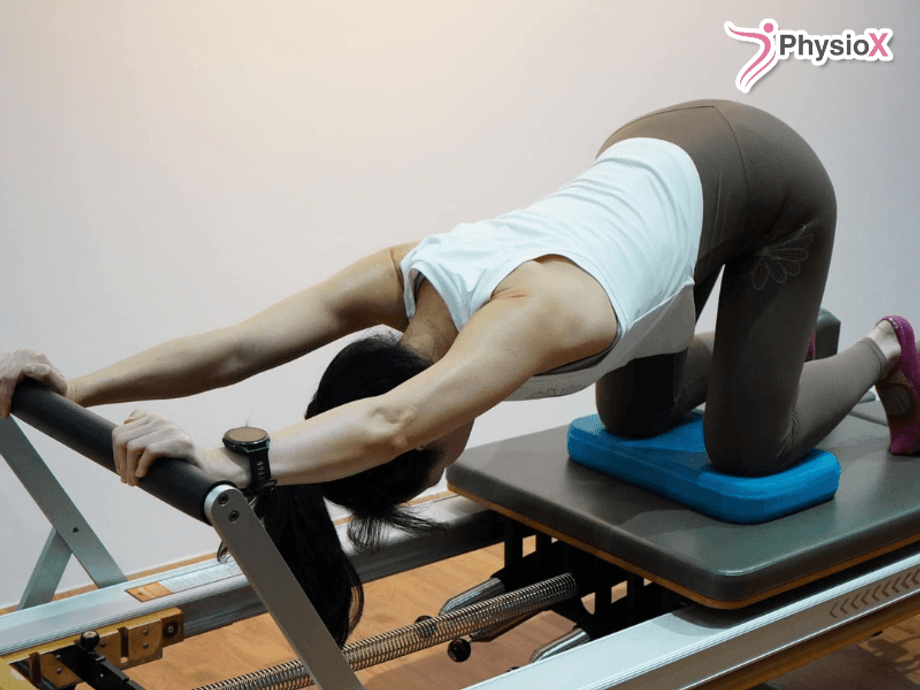
Office syndrome is one of the most common causes of persistent neck and shoulder pain, back stiffness, and muscle tension in people who spend long hours sitting at a desk, working on a computer, driving, or using mobile devices. Although symptoms often begin gradually, they can eventually affect the way you work, exercise, and perform everyday activities. At PhysioX, we understand that office syndrome is rarely caused by a single muscle. Instead, it usually develops through a combination of prolonged sitting, poor movement habits, muscle imbalance, and repetitive daily activities that place ongoing stress on the body.
Common symptoms include stiffness or pain in the neck, shoulders, upper back, and lower back, along with reduced flexibility, muscle tightness, headaches, or discomfort when sitting for long periods. Some people may also experience tingling or numbness in the arms or hands as surrounding muscles and joints begin to affect nearby nerves. Without appropriate office syndrome treatment, these problems can become recurring and gradually limit both movement and quality of life.
At PhysioX, every programme begins with a comprehensive assessment by a licensed physiotherapist to identify the underlying causes of your symptoms. We assess posture, movement quality, joint mobility, muscle strength, and daily work habits before creating a personalised rehabilitation plan. By combining hands-on physiotherapy, movement education, corrective exercise, and evidence-informed rehabilitation, we help relieve pain, restore healthy movement, and reduce the risk of symptoms returning—so you can work, move, and live more comfortably with confidence.
How a Physiotherapist Treats Office Syndrome at the Root

At PhysioX, we believe that successful office syndrome treatment begins by identifying the underlying cause rather than simply relieving symptoms. While massage or pain medication may provide temporary comfort, they often fail to address the movement habits and muscle imbalances that caused the problem in the first place. Our physiotherapists take a comprehensive, evidence-informed approach to help you achieve lasting relief and reduce the risk of recurring pain.
Every office syndrome programme starts with a detailed assessment by a licensed physiotherapist. We evaluate your posture, spinal alignment, joint mobility, muscle strength, flexibility, and movement patterns, while also discussing your work routine, workstation setup, exercise habits, and previous injuries. This allows us to understand why your symptoms developed and which structures are contributing to your pain.
Once the assessment is complete, your physiotherapist creates a personalised treatment plan based on your findings. Treatment may include hands-on physiotherapy, trigger point release, joint mobilisation, soft tissue techniques, and targeted corrective exercises to restore healthy movement. Instead of focusing only on painful muscles, we address the entire movement system to improve posture, reduce muscle overload, and restore balance throughout the body.
Corrective exercise plays an essential role in long-term office syndrome recovery. Many people develop weakness in the deep neck muscles, core, gluteal muscles, and upper back while other muscles become tight from prolonged sitting. Your physiotherapist prescribes exercises specifically designed to improve posture, increase mobility, strengthen weakened muscles, and retrain healthy movement patterns that support your daily activities.
Education is equally important. During your treatment, you'll receive practical advice on workstation ergonomics, sitting posture, movement breaks, stretching routines, and strategies to reduce unnecessary strain during the working day. These small adjustments can significantly reduce the likelihood of office syndrome returning.
At PhysioX, our goal is not simply to reduce pain for a few days. We aim to help you understand your body, improve the way you move, and build long-term resilience through personalised physiotherapy. With every office syndrome programme supervised by a licensed physiotherapist, you can feel confident that your treatment is safe, evidence-informed, and focused on lasting results.
Trigger Point and Manual Therapy for Neck and Shoulders
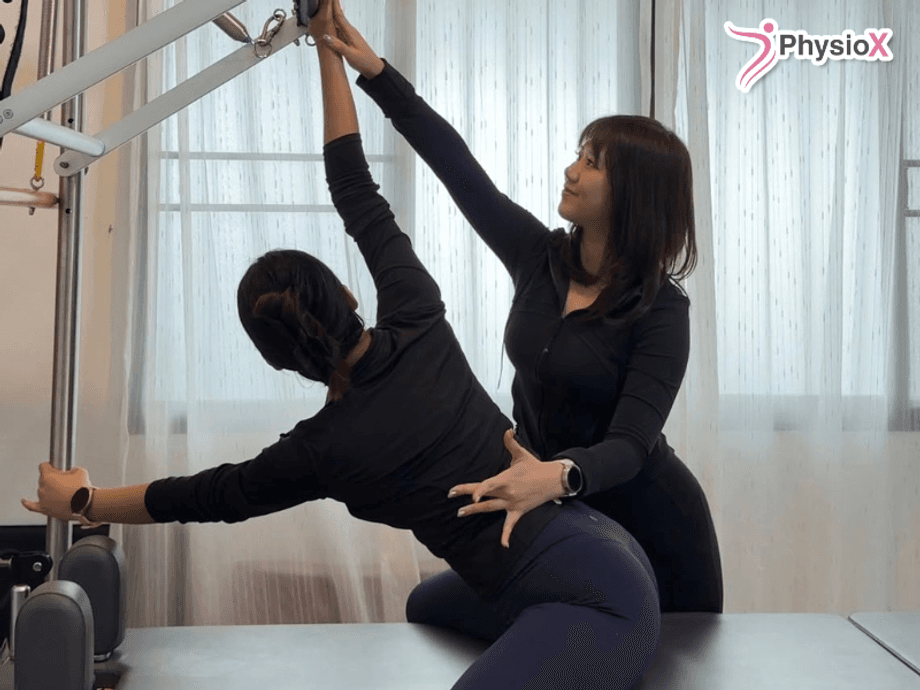
Neck and shoulder pain are among the most common symptoms of office syndrome, often developing after prolonged computer use, repetitive movements, or sustained sitting. At PhysioX, manual therapy and trigger point treatment are important parts of our physiotherapy approach, helping relieve muscle tension while restoring normal movement and function.
Trigger points are sensitive areas within tight muscles that can cause local pain or referred pain to other parts of the body. In people with office syndrome, these trigger points commonly develop in the neck, upper shoulders, upper back, and surrounding muscles due to prolonged static posture and repetitive muscle loading. Left untreated, they can contribute to persistent discomfort, headaches, stiffness, and reduced range of motion.
Your physiotherapist carefully identifies the muscles contributing to your symptoms before applying the most appropriate hands-on techniques. Depending on your assessment, treatment may include trigger point release, soft tissue mobilisation, myofascial techniques, joint mobilisation, and stretching to reduce muscle tension and improve mobility. Every treatment is tailored to your condition rather than following a standard routine.
While manual therapy can provide immediate relief, it is only one part of a complete office syndrome treatment programme. To achieve long-term improvement, we combine hands-on treatment with corrective exercises, posture education, and movement retraining. This integrated approach helps restore healthy movement patterns, improve muscle balance, and reduce the likelihood of pain returning.
With treatment supervised by a licensed physiotherapist, our office syndrome programmes focus on both symptom relief and lasting recovery, helping you return to work and everyday activities with greater comfort, mobility, and confidence.
Posture and Corrective Exercise to Stop It Coming Back
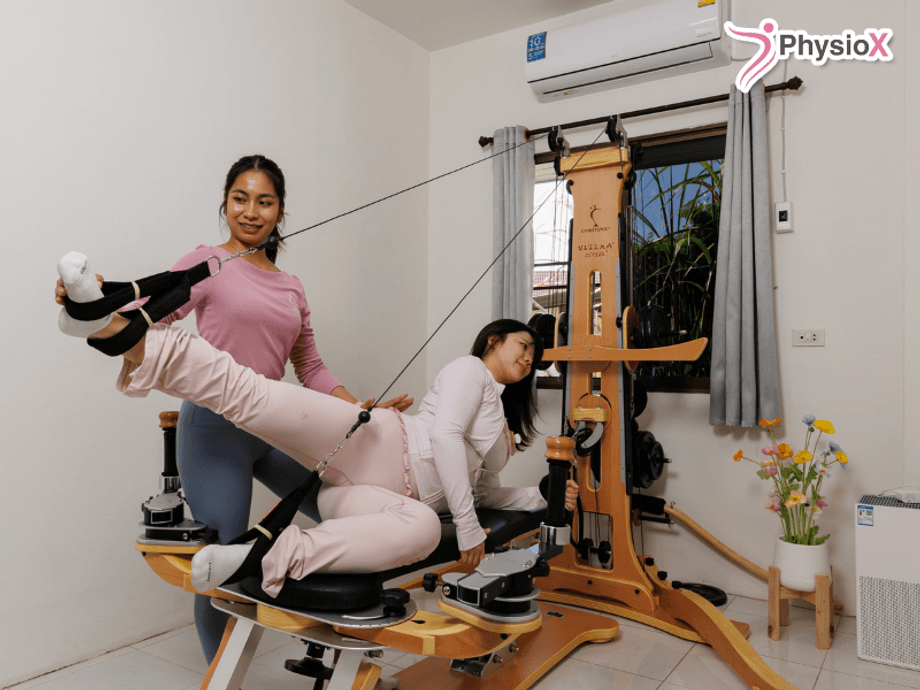
Treating office syndrome is only the first step. Preventing it from returning requires improving the way your body moves every day. At PhysioX, corrective exercise and posture education are key components of every office syndrome programme, helping you build healthier movement habits that support long-term recovery rather than temporary pain relief.
Many people with office syndrome develop muscle imbalances after spending hours sitting at a desk, using a laptop, or looking down at a mobile device. Over time, the muscles at the front of the chest and hips become tight, while the deep neck muscles, upper back, core, and gluteal muscles become weaker. These imbalances place excessive stress on the neck, shoulders, and lower back, increasing the likelihood of recurring pain.
Following your assessment, your physiotherapist designs a personalised corrective exercise programme based on your posture, movement quality, and daily activities. Rather than prescribing generic exercises, we focus on the specific muscles and movement patterns contributing to your office syndrome. Your programme may include mobility exercises to reduce stiffness, strengthening exercises to improve stability, and movement retraining to restore better posture and body mechanics.
We also provide practical education on workstation ergonomics, sitting posture, lifting techniques, and healthy movement habits throughout the day. Small changes—such as adjusting your chair height, screen position, or taking regular movement breaks—can significantly reduce the strain that contributes to office syndrome. These strategies are realistic, easy to apply, and designed to fit into your everyday routine.
As your symptoms improve, your exercise programme progresses to build greater strength, endurance, and movement confidence. Our goal is not simply to eliminate pain but to help your body move more efficiently so you can work, exercise, and enjoy daily life without recurring discomfort.
Every office syndrome programme at PhysioX is supervised by a licensed physiotherapist, ensuring that your exercises remain safe, effective, and appropriate for your stage of recovery. By combining hands-on treatment with personalised corrective exercise and movement education, we help you achieve lasting results and reduce the likelihood of future episodes of office syndrome.
Book Your Office Syndrome Assessment at PhysioX
Don't let office syndrome affect the way you work and live. At PhysioX, every treatment begins with a comprehensive assessment by a licensed physiotherapist to identify the underlying cause of your symptoms and create a personalised recovery plan. Treatment is available at both our Airport Branch and V Community Branch in Chiang Mai, making it easy to access expert, physiotherapist-led care at the location most convenient for you. Whether you're experiencing neck, shoulder, or back pain, we're here to help you achieve lasting relief—not just temporary results.
Book your office syndrome assessment today, or contact us by phone, WhatsApp, or Facebook. Our friendly team will be happy to answer your questions, recommend the most appropriate treatment, and help you schedule your first appointment.
Frequently Asked Questions
What causes office syndrome?
Office syndrome is commonly caused by prolonged sitting, poor posture, repetitive movements, and long hours using a computer or mobile device. Over time, these habits can create muscle imbalances, joint stiffness, and excessive strain on the neck, shoulders, and back, leading to persistent pain and reduced mobility.
How many physiotherapy sessions are needed for office syndrome?
The number of sessions depends on the severity of your symptoms, how long you've experienced office syndrome, and your individual recovery goals. After your initial assessment, your physiotherapist will recommend a personalised treatment plan and explain the expected timeline for improvement.
Can office syndrome be prevented from coming back?
Yes. While hands-on treatment helps reduce pain, preventing office syndrome requires improving posture, strengthening weak muscles, increasing mobility, and changing daily movement habits. Your physiotherapist will provide corrective exercises and practical ergonomic advice to help reduce the risk of recurrence.
Should I stop working if I have office syndrome?
In most cases, no. Many people with office syndrome can continue working while receiving treatment. Your physiotherapist may recommend adjustments to your workstation, regular movement breaks, and specific exercises to reduce strain, allowing you to stay productive while supporting your recovery.
Related Our Services